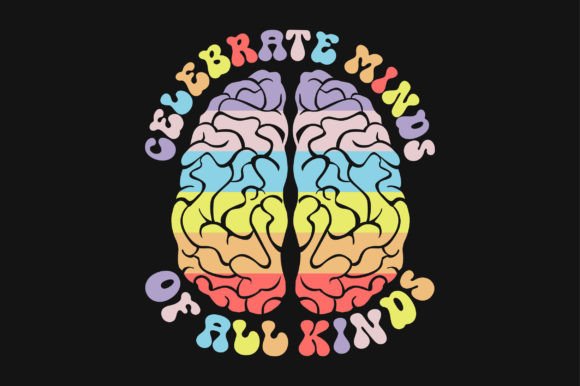
Reviewing the Autism Awareness SVG Sublimation T-shirt Design
As a designer who spends more time at the hoop than away from it, I approach every new digital embroidery file with a mix of curiosity and caution. When I first opened the Autism Awareness SVG Sublimation T-shirt design, my immediate reaction wasn't just about the visual appeal on the screen, but how those vector shapes would translate into thread. The product description highlights that this is a graphic asset available in AI, EPS, SVG, and PNG formats, boasting 100 vector shapes that are fully resizable. For us in the crafts and graphics space, "resizable" is a promising word, but in the world of machine embroidery design, scalability often comes with caveats regarding stitch density and detail retention.
First Impressions and Visual Personality
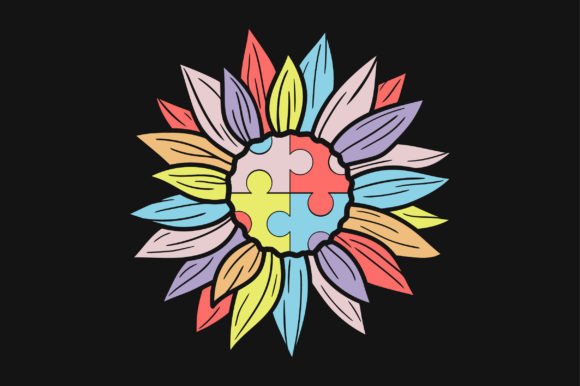
The layout of this design carries a gentle, inclusive mood that fits perfectly within the current landscape of awareness apparel. Visually, it feels modern yet approachable, avoiding the overly clinical look that some medical awareness graphics can sometimes have. The fact that it is described as having easy-to-change colors suggests a thoughtful layer structure, which is crucial when you are trying to match specific brand threads or customer requests. In an embroidery project, color separation is half the battle; if the vectors are clean, the transition from digital art to stitched reality is much smoother. The design's personality leans towards soft advocacy, making it an excellent candidate for personalized gifts where the emotional connection is just as important as the aesthetic.
Real-World Application: The Custom Tote Scenario
To truly evaluate this asset, I imagined a specific real-life scenario: a local boutique owner needing a run of custom apparel and accessories for an upcoming community walk. She wanted to offer more than just t-shirts; she needed durable tote bag designs that could withstand frequent use while spreading a message of support. This is where the Autism Awareness SVG Sublimation T-shirt design shines as a versatile starting point. Because the file is built from 100 vector shapes, it allows me to isolate specific elements. I could take the central motif and digitize it specifically for a heavy canvas tote, adjusting the underlay to handle the texture of the fabric.
However, since this is sold primarily as a sublimation and graphic file, using it for embroidery requires a strategic approach. If I were stitching this onto a sweatshirt for a holiday embroidery gift set, I would likely use the SVG as a template for a satin stitch outline or a fill stitch interior, ensuring the edges are crisp. The "sublimation" aspect of the title suggests vibrant gradients, which don't translate directly to thread. Therefore, the smart move for an Etsy seller or small shop product creator is to simplify the color palette. Instead of trying to mimic every gradient with thread, select three or four high-contrast thread colors that capture the essence of the design without creating a muddy, over-stitched mess.
Navigating Fabric and Hoop Constraints
One must be realistic about where this design belongs. While the vector nature implies infinite scalability, embroidery has physical limits. If you are planning to use this on a baby embroidery project, such as a onesie or a small bib, you must be wary of the smallest details. Tiny vector shapes might look perfect on a monitor but can become a tangled nightmare of running stitch and breaks on a small hoop size. I always advise testing the design on scrap fabric first, especially if you are working with stretchy materials like jersey knits or textured fabrics like pique polo shirts.
For curved surfaces, such as caps or hats, the layout needs careful consideration. A design intended for a flat t-shirt front might distort when forced onto the curvature of a cap crown. If you are creating an embroidered patch to sew onto a jacket later, this design is ideal because you can control the backing and stabilizer completely before application. However, for direct-to-garment embroidery on dark fabrics, remember that this graphic likely relies on light backgrounds for contrast. You may need to create a solid fill background in your digitizing software to ensure the design pops against navy or black garments, maintaining that professional finished product look.
Commercial Viability and Brand Consistency
For commercial embroidery projects, consistency is key to building customer trust. If you are selling this as part of a craft business, the ability to resize without losing quality is a massive advantage. It means you can offer the same design on a large blanket and a small keychain fob, keeping your brand consistency intact. The visual appeal of the final stitch-out directly impacts buyer engagement. A clean, well-digitized version of this design signals professionalism, whereas a poorly adapted graphic can look amateurish. When customers see a neat satin stitch border and balanced fill stitch areas, they perceive higher value in the handmade product.
It is also worth noting the licensing implications. Since the source file includes AI and EPS formats, it is clearly designed for manipulation. Before listing printable mockups or selling physical items featuring this design, you must confirm the license terms provided by the creator. Can you sell the digitized embroidery file itself, or only the stitched physical item? These distinctions are vital for creative entrepreneurs and digital product sellers to avoid legal pitfalls.
Practical Notes for the Stitcher
If you decide to move forward with adapting this graphic for your next embroidery project, here are a few practical steps to ensure success:
- Check Contrast Early: View the design in black and white mockups to ensure the shapes distinguish themselves clearly without relying solely on color.
- Stabilizer Selection: For stretchy fabrics like those used in sweatshirt embroidery, use a cut-away stabilizer to prevent distortion over time.
- Density Check: If digitizing the vectors yourself, reduce the stitch density in overlapping areas to prevent the fabric from puckering.
- Thread Matching: Since the original is a sublimation design, spend time matching your thread chart to the intended vibrancy of the graphic.
- Test Washes: Always wash and dry your test sample to see how the stitches hold up, ensuring the giftability and longevity of the item.
In conclusion, the Autism Awareness SVG Sublimation T-shirt design offers a strong foundation for creative adaptation. While it originates in the realm of graphics and sublimation, its vector-based construction makes it a flexible asset for the savvy embroiderer. By respecting the limitations of thread and fabric, and applying a bit of technical foresight, this design can transform from a digital file into a meaningful, tactile piece of art that resonates with families and supporters alike.