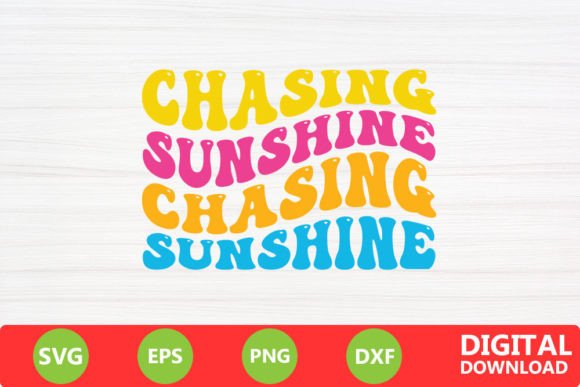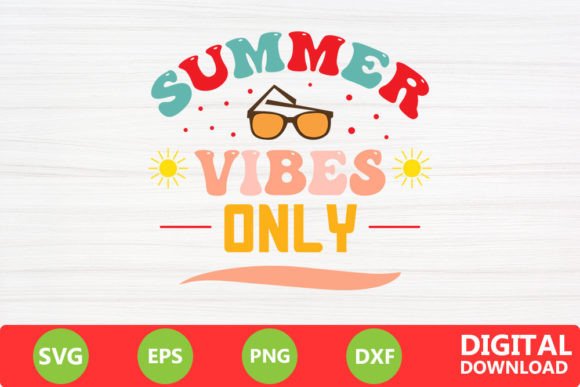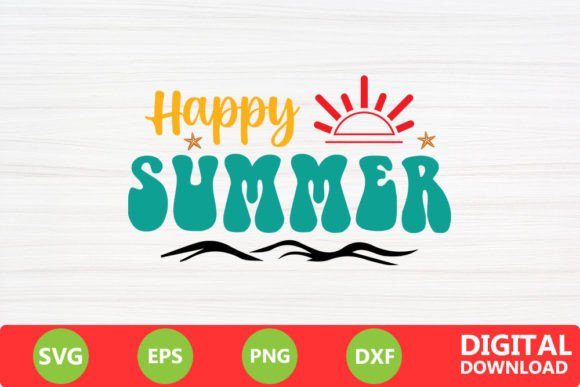
Summer Retro Wavy SVG Sublimation Shirt Review
As a designer who spends more time staring at stitch maps than most people care to admit, I approach new design assets with a mix of curiosity and skepticism. When I first pulled up the Summer Retro Wavy SVG Sublimation Shirt file on my screen, my initial reaction wasn't about how it would look printed on a sublimation blank, but rather how those clean vector lines would translate into thread. While the product listing categorizes this under Crafts and Graphics, specifically highlighting its utility for sublimation, my mind immediately went to the hoop. Could this retro aesthetic survive the transition from digital graphic to physical machine embroidery design? After putting it through its paces on various fabrics, I have some practical insights for fellow makers considering this for their next embroidery project.
The Visual Vibe: Retro Waves Meet Stitch Reality
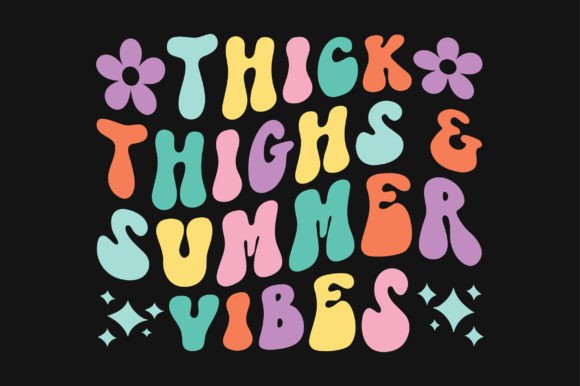
The first thing that strikes you about this design is its mood. It captures that specific late-70s, early-80s nostalgia that is currently dominating boutique trends. The wavy lines are fluid and organic, avoiding the rigid geometry that often plagues retro vectors. In the context of Graphics, these 100 vector shapes allow for infinite resizing without pixelation, which is a massive plus. However, when we talk about converting this into an embroidery file, those smooth curves become a technical challenge.
The layout suggests a wide, horizontal flow, making it ideal for chest logos on tees or across-the-back statements on sweatshirts. The visual personality is playful yet structured. If you are digitizing this yourself or hiring a digitizer, the key will be maintaining that "wavy" integrity without letting the stitches collapse into each other. The original description notes it is easy to change colors, which translates beautifully to thread work. You aren't locked into a specific palette; you can swap a burnt orange for a mustard yellow or a teal for a navy depending on your thread colors and client preferences.
Real-World Application: The Custom Tote Bag Test
To truly evaluate the potential of this design, I simulated a real-life scenario: a custom order for a local farmer's market vendor who needed branded tote bag design options. She wanted something that felt handmade but looked professional enough for retail. I envisioned the Summer Retro Wavy SVG Sublimation Shirt motif stitched onto a heavy canvas tote.
In this application, the design shines. The waves provide a great opportunity to play with satin stitch borders and fill stitch interiors. On a sturdy canvas, the density of the stitching adds a lovely texture that elevates the handmade product beyond a simple print. Customers touching the bag would feel the raised threads, adding tactile value that sublimation alone cannot achieve. The retro theme fits perfectly with the eco-friendly, artisanal vibe of modern market goods. Whether used as a full applique design with fabric backing or strictly as thread work, the shape holds up well against the coarse texture of canvas.
Versatility Across Apparel and Home Goods
Beyond tote bags, this design has legs in several other categories. For custom apparel, imagine this on the sleeve of a denim jacket or the hem of a linen dress. The horizontal nature of the waves makes it excellent for sweatshirt embroidery, where you can stretch the design across the lower torso for a vintage athletic look. For baby embroidery, scaling it down for a onesie pocket creates a sweet, gender-neutral accent that parents love.
I also see strong potential in home decor. A set of kitchen tea towels featuring these wavy lines in earthy tones would make a fantastic holiday gift or housewarming present. The design's simplicity ensures it doesn't overwhelm the small surface area of a towel. Furthermore, for Etsy seller accounts focusing on nursery decor, this could be adapted into a pillow cover or a wall hanging, provided the scale is adjusted correctly. The "retro" aspect taps directly into current interior design trends, making it a high-value asset for small shop products.
Technical Considerations and Fabric Challenges
While the aesthetic is strong, we must address the technical realities of stitching a design originally intended for sublimation. The biggest hurdle is stitch density. Vector shapes are mathematically perfect, but thread has bulk. If you are digitizing this from the provided SVG or EPS files, you must be careful not to make the fill areas too dense, especially if working on stretchy fabrics like jersey knits. High density on a t-shirt can cause puckering, ruining the finished product.
There are specific scenarios where you need to proceed with caution. If you plan to use this on a cap, remember that curved surfaces distort wide designs. The waves might look uneven if the hoop isn't positioned perfectly or if the fabric shifts. Similarly, on thin fabrics like silk or lightweight rayon, a heavy running stitch outline might be necessary to prevent the design from sinking into the material. Always use the appropriate stabilizer; for knits, a cut-away is usually safer than tear-away to support the weight of the retro waves over time.
Another critical factor is the hoop size. Since the original file is resizable, you might be tempted to go large. However, ensure your machine's hoop can accommodate the width of the waves without requiring a re-hoop mid-design, which can lead to alignment issues. For detailed corners within the wave patterns, verify that your needle size and thread weight can handle the turns without breaking or skipping.
Maximizing Value and Professionalism
Using a well-executed version of this design can significantly boost your brand consistency. If you are selling printable mockup previews alongside your physical goods, the crisp lines of the original vector file make for stunning digital presentations. This helps build customer trust before they even see the physical item. A clean, professional-looking retro design signals to buyers that you pay attention to detail, enhancing the perceived value of your commercial embroidery services.
However, clarity is king. Before committing to a production run, test the design in black and white. Sometimes, the contrast between different sections of the waves gets lost when color is removed, indicating that your stitch directions might need adjustment. Check how the design looks on both light and dark backgrounds; you may need to add a satin border to define the edges against dark fabrics.
Final Designer Notes for Makers
If you are planning to incorporate the Summer Retro Wavy SVG Sublimation Shirt into your workflow, here is my advice based on real-world testing logic:
- Test First: Always stitch out on scrap fabric of the same weight and texture as your final material. This reveals tension issues before they ruin a client's garment.
- Check Licensing: The product description mentions commercial use implications indirectly by listing file types. Confirm the specific license terms regarding selling finished items versus reselling the digital file itself.
- Digitize with Care: Since this is provided as a graphic file (SVG, EPS, AI, PNG), it is not a pre-digitized embroidery file. You will need to digitize it or hire someone to do so. Pay close attention to underlay stitches to ensure the waves lay flat.
- Color Contrast: Experiment with thread shades. Sometimes a monochromatic look (different shades of one color) works better for retro waves than a rainbow approach.
- Wash Testing: Products meant for frequent washing, like baby clothes or kitchen towels, need secure locking stitches at the start and end of every wave segment.
In conclusion, while the Summer Retro Wavy SVG Sublimation Shirt is marketed for sublimation, its structural simplicity and retro charm make it a prime candidate for adaptation into high-quality embroidery. With the right digitizing approach and fabric selection, it can transform from a simple graphic into a textured, tactile element that defines your craft business. It is a versatile tool for any maker willing to put in the technical prep work to ensure the final stitch matches the digital vision.