Review: Sunflower Earth Day SVG Sublimation for Embroidery
As a designer who spends most of my day staring at screens and managing digitizing queues, I approach new design assets with a healthy dose of skepticism. We see thousands of files cross our desks, but only a few have the structural integrity to survive the transition from a crisp vector on a monitor to a tangible finished product under a needle. Recently, I got my hands on the Sunflower Earth Day SVG Sublimation graphic. While the listing markets it primarily for sublimation and print, my immediate instinct was to evaluate its potential as a foundation for a custom machine embroidery design. For Etsy sellers and craft business owners, understanding how a graphic translates to thread is the difference between a best-seller and a return request.
First Impressions: Mood and Structural Integrity
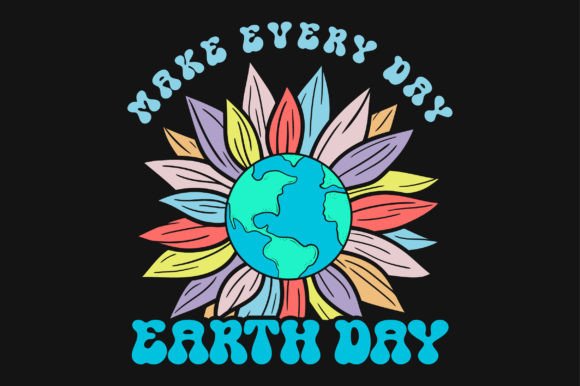
Opening the file, the first thing that strikes you is the cheerful, optimistic mood. The combination of a vibrant sunflower with an Earth motif creates a narrative that feels both seasonal and timeless. It is not just a flower; it is a statement about growth and care, which makes it incredibly versatile for personalized gifts or boutique branding. Visually, the layout is balanced. The description notes that the file is made with 100 vector shapes, and this is a crucial detail for us embroiderers. A clean vector structure usually implies clean lines, which are essential when we are planning our stitch paths.
The "easy to change colors" feature mentioned in the product description is a massive win for customization. In the world of custom apparel, clients often want specific brand colors or school hues. Having a file where elements are distinct allows me to quickly recolor the petals, the center, or the globe portion before even thinking about digitizing or applying it as an appliqué base. The visual personality is friendly and approachable, lacking the overly complex gradients that often fail when translated into thread.
Real-World Application: The Tote Bag Scenario
To truly test the viability of this graphic, I envisioned a specific project: a heavy canvas tote bag design for a local farmers' market vendor. This is a classic use case for small shop products. The goal was to create something durable that could withstand frequent washing and heavy loading without losing its shape.
If I were to use this Sunflower Earth Day SVG Sublimation as a printed sublimation transfer on a polyester-blend tote, the result would be bright and flat. However, for a premium feel, I would consider using the SVG as a template for an embroidered patch or direct embroidery on a cotton canvas. The sunflower motif lends itself beautifully to a mix of satin stitch for the petals and a textured fill stitch for the Earth section. The roundness of the globe provides a great opportunity to play with stitch direction, perhaps radiating outward to mimic the curvature of the planet.
For a handmade product like this, the perceived value increases significantly with texture. A flat print is nice, but the tactile quality of raised thread on a sturdy bag tells the customer that care went into the creation. This design fits perfectly on the front panel of a tote, offering enough surface area to let the details breathe without overwhelming the fabric.
Navigating Fabric Textures and Hoop Constraints
While the design is promising, practical application requires caution. Not every fabric plays nice with detailed graphics. If you are planning to use this on a sweatshirt embroidery project, you must account for the loft of the fleece. On textured fabrics, fine details can get lost. The vector nature of the file helps here, as you can simplify the shapes if you plan to digitize it yourself, removing tiny elements that might cause thread breaks or bird nests.
One area to watch closely is the hoop size. Although the file is resizable, shrinking it too much for a small pocket on a baby embroidery item, like a onesie, could result in a dense cluster of stitches that feels stiff and uncomfortable against sensitive skin. Conversely, stretching it too large on a thin fabric without proper backing could lead to puckering. Always test the design on scrap fabric first. This is non-negotiable. Check the stitch density if you are converting this to an embroidery file; high-density areas need careful management to prevent the fabric from pulling.
Curved surfaces, such as caps, present another challenge. The Earth element is circular, which is ideal for the center of a hat, but the sunflower petals extending outward might distort on a structured cap's curved brim area. In these cases, simplifying the outer edges or opting for a smaller scale is wise. For dark fabrics, remember that the original sublimation design relies on color contrast. If embroidering directly, ensure your thread colors pop against the background. A yellow sunflower on a navy blue sweatshirt looks fantastic, but a pale green leaf might disappear.
Commercial Viability and Brand Consistency
For commercial embroidery projects and digital product sellers, consistency is key. This design offers a strong anchor for brand identity. Whether used on an apron for a florist, a tea towel for a kitchen boutique, or a pillow cover for home decor, the theme remains cohesive. It speaks to eco-conscious consumers, a demographic that is growing rapidly.
However, before listing finished items on Etsy or at craft fairs, you must verify the licensing terms. The product description lists AI, EPS, SVG, and PNG files, which suggests flexibility, but it does not explicitly state the commercial license limits for the underlying artwork. Do not assume you can sell unlimited physical goods or digital derivatives without checking. Confirm licensing before selling finished items to protect your craft business from legal issues.
From a marketing perspective, this design has high "giftability." It works well for holiday embroidery projects around Earth Day in April, but also for spring weddings, teacher gifts, or nursery decor. The visual appeal translates well into printable mockups for online listings, allowing you to show customers exactly how the design looks on various products before they buy.
Final Designer Notes for Execution
If you decide to move forward with Sunflower Earth Day SVG Sublimation for your next embroidery project, keep these practical steps in mind:
- Stabilizer Selection: Match your stabilizer to the fabric weight. Heavy cut-away for stretchy knits, tear-away for stable wovens.
- Color Contrast: Test the design in black and white mockups first to ensure the shapes distinguish themselves without relying solely on color.
- Detail Inspection: Zoom in on the vector file. Are there any stray points or overlapping shapes that could confuse your digitizing software?
- Wash Testing: If creating a product for frequent washing, like a kitchen towel or baby item, wash your test sample multiple times to check for thread fatigue or fabric distortion.
- File Verification: Since the description mentions "100 vector shapes," open the file in your vector editor to ensure layers are organized logically for easy editing.
In conclusion, while this product is marketed as a sublimation graphic within the Crafts and Graphics categories, its clean vector architecture makes it a hidden gem for embroiderers willing to do the legwork. It bridges the gap between digital convenience and handmade charm. With the right fabric choices, proper stabilization, and a keen eye for detail, the Sunflower Earth Day SVG Sublimation can be transformed from a simple download into a standout piece of wearable art that resonates with customers and elevates your brand.