Review: Thank You for Shopping Small Sticker Design
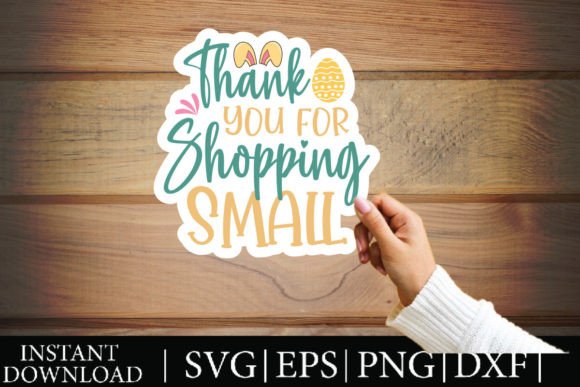
As a designer who spends more time staring at stitch simulations than most people care to admit, I approach every new machine embroidery design with a healthy dose of skepticism. We have all downloaded a file that looked perfect on the screen, only to watch it turn into a puckered mess on the hoop. Today, I am taking a close look at the "Thank You for Shopping Small, Sticker" graphic. While the product description markets this as a digital sticker for Easter Day gifts and postcards, my job is to translate that visual concept into thread and fabric. Does this Graphics asset hold up when converted into a tangible embroidery project? Let's dig into the practicalities.
First Impressions and Visual Personality
The immediate appeal of this design lies in its sentiment. "Shop Small" is more than a slogan; it is a movement that resonates deeply with the Etsy seller community and boutique owners. Visually, the layout suggests a clean, modern aesthetic suitable for branding. When I imagine this rendered in thread, I see potential for a crisp satin stitch outline or a textured fill stitch depending on the desired finish. The mood is welcoming and professional, making it an ideal candidate for adding a personal touch to packaging or the products themselves. However, because the source material is described as a sticker, one must be vigilant about how those sharp digital lines translate to the organic nature of embroidery.
Real-World Application: The Boutique Tote Scenario
To truly evaluate this design, I imagined a specific real-life scenario: preparing a run of custom canvas tote bags for a local craft fair. These bags serve as both a product and a walking advertisement for a small shop product line. Placing the "Thank You for Shopping Small" message on the interior tag or the exterior bottom corner creates a delightful surprise for the customer.
In this context, the design acts as a seal of quality. If executed well, it elevates the perceived value of the handmade product. I can picture this working beautifully as an embroidered patch sewn onto a denim jacket or a heavy-weight sweatshirt embroidery project. The text-heavy nature of the design means it commands attention, reinforcing brand consistency. For an Etsy seller, including this motif on a thank-you card included in the shipment—perhaps embroidered directly onto a fabric cardstock—would be a memorable way to express love and gratitude, aligning perfectly with the original intent of the graphic.
Navigating Technical Challenges
Here is where the experienced eye needs to be sharp. The product notes mention "WORD BY L," which implies specific lettering that requires careful handling. Text in embroidery is notoriously tricky. If you are planning to use this on a cap or a curved surface, the distortion could make the letters unreadable. Similarly, if you attempt this on a stretchy fabric like a baby onesie for baby embroidery, the fabric movement during stitching might cause the small details to blur.
You must consider stitch density. Digital stickers often have solid blocks of color that, if translated directly into a dense fill without proper underlay, will result in a stiff, cardboard-like feel. This is unacceptable for custom apparel that needs to drape well. For items like kitchen towels or tea towels that undergo frequent washing, high-density areas can lead to thread breakage or fabric tearing over time. I strongly advise testing this design on scrap fabric first. Check how the thread colors contrast against your chosen background; a low-contrast choice on a dark fabric could render the message invisible.
Fabric and Hoop Considerations
- Hoop Size: Ensure your machine's hoop size can accommodate the full width of the text without needing to re-hoop, which risks misalignment.
- Stabilizer: Use a cut-away stabilizer for garments that will be washed often, and a tear-away for decorative items like pillow covers.
- Texture: Be cautious with highly textured fabrics like looped terry cloth; the running stitch details might get lost in the pile.
- Corners: Inspect the sharp corners of any border elements. These are prone to bird-nesting if the digitizing isn't optimized for thread.
Enhancing Brand Value and Customer Trust
Beyond the technical stitches, the strategic use of this design impacts buyer engagement. In the world of commercial embroidery, presentation is everything. A neatly stitched "Thank You" message signals professionalism. It tells the customer that care went into every step of the process, from the initial design selection to the final trim of the threads. This builds trust. When a customer sees such attention to detail, they are more likely to return or recommend the craft business to others.
For those selling digital embroidery file adaptations or finished goods, this design serves as a versatile asset. It can be used in printable mockup previews to show clients exactly how their branding will look. Whether it is adorning a holiday gift, a wedding favor, or a piece of nursery decor, the message remains universal. It bridges the gap between a simple transaction and a human connection.
Final Verdict and Designer Notes
The "Thank You for Shopping Small, Sticker" offers a strong foundation for creative entrepreneurs, but it requires a thoughtful approach to execution. It is not a "load and go" file for every situation. Success depends on matching the design to the right fabric texture and adjusting expectations based on the limitations of thread versus ink.
Before committing to a production run, I recommend the following checklist:
- Verify the licensing terms to ensure the design allows for commercial embroidery use if you plan to sell the finished items.
- Since exact stitch counts and formats were not detailed in the provided description, confirm these specs with the vendor to ensure compatibility with your machine.
- Test the design in black and white first to check for clarity and definition before introducing color.
- Compare the look on both light and dark backgrounds to determine the best thread palette.
- Ensure the scale of the lettering is large enough to remain legible after stitching, especially if using thinner threads.
In conclusion, this design has the heart and the visual appeal to become a staple in your design assets library. With the right technical adjustments and a keen eye for detail, it can transform a standard finished product into a cherished keepsake that celebrates the spirit of handmade commerce.