Review: Hello Heart Printable SVG for Embroidery Projects
As a designer who spends more time hooped up at the machine than anywhere else, I approach new design assets with a critical eye. It is not enough for a file to look cute on a screen; it must translate beautifully into thread, withstand the tension of the hoop, and hold its shape after the first wash. Recently, I evaluated the Hello Heart Printable SVG to see if this handwritten-style graphic could transition from a digital cut file into a robust machine embroidery design for my clients. While the product description highlights its utility for Cricut and Silhouette users creating stickers, my focus was strictly on how this Graphics category item performs when digitized and stitched onto real fabric.
First Impressions and Visual Personality
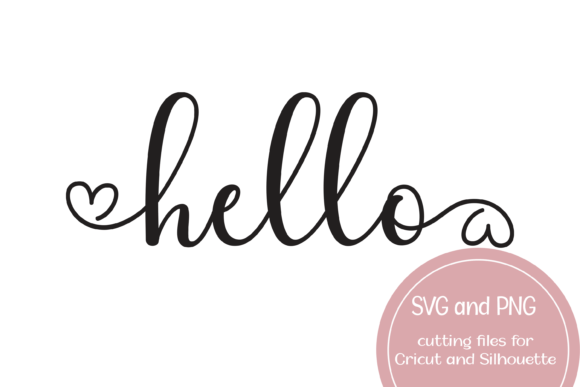
The moment I pulled up the Hello Heart Printable SVG, the mood was immediately clear: warm, inviting, and undeniably handmade. The handwritten aesthetic suggests a personal touch, which is exactly what customers look for in a personalized gift. Unlike rigid, geometric fonts that can feel cold or corporate, this design carries a softness that pairs perfectly with home decor and casual apparel. The layout is balanced, with the heart element acting as a natural focal point that draws the eye without overwhelming the composition. For an embroidery project, this visual personality is crucial. It tells a story of care and craftsmanship before a single stitch is even made. However, handwritten scripts often present challenges in embroidery, particularly regarding letter spacing and the thickness of strokes, so I knew I had to dig deeper into its practical application.
Real-World Application: The Boutique Tote Bag Scenario
To truly test the viability of this design, I imagined a specific real-life scenario: preparing a custom order for a local boutique needing branded tote bag designs. The client wanted something that felt artisanal yet modern. I envisioned placing the Hello Heart Printable SVG on a heavy canvas tote, perhaps using a contrasting satin stitch for the text and a dense fill stitch for the heart to create texture variation. In this context, the design shines. The simplicity of the shape allows it to scale well, making it suitable for everything from a small pocket accent to a large central statement piece. If executed with high-quality thread colors—perhaps a creamy off-white on a natural canvas or a bold crimson on a navy bag—the finished product would exude professionalism. Customers interacting with this item in a shop would likely perceive higher value due to the "hand-lettered" vibe, which builds trust and encourages impulse buys.
Versatility Across Products
Beyond tote bags, the adaptability of this embroidery file concept is impressive. I can easily see this working as sweatshirt embroidery for a cozy winter collection, where the soft lines complement the fleece texture. It would also be delightful as baby embroidery on a onesie or bib, provided the digitizing accounts for the small scale. For holiday embroidery projects, such as kitchen towels or pillow covers, the heart motif offers a timeless appeal that isn't restricted to Valentine's Day; it works year-round as a symbol of love and home. For Etsy sellers and small shop product creators, having a versatile graphic like this in your arsenal means you can create cohesive branding across different custom apparel lines without needing entirely new designs for each item.
Technical Considerations and Fabric Challenges
While the aesthetic is strong, practical execution requires caution. Handwritten designs often feature thin connecting lines or tight corners that can be problematic in embroidery. If you are planning to use this on stretchy fabric like a jersey knit t-shirt, you must be vigilant about stabilization. Without a proper stabilizer, the fabric may pucker around the denser areas of the heart, distorting the handwritten flow. Similarly, on textured fabrics like Terry cloth or heavy denim, fine details might get lost. I would advise testing the design on scrap fabric first to check the stitch density. If the original SVG is intended for cutting, the paths might be too close together for safe stitching, potentially causing thread breaks or bird-nesting.
Another critical factor is the hoop size. If you intend to place this on curved surfaces like caps or hats, ensure the design fits within a smaller hoop and that the digitizing compensates for the curvature. Detailed corners and tiny lettering can become muddy if the stitch count is too high for the area. Furthermore, when working on dark fabric, you need to ensure there is sufficient underlay to prevent the background color from showing through the stitches, which could ruin the crispness of the white or light-colored thread often used with this style.
Enhancing Brand Value and Customer Trust
The way a design is executed directly impacts brand consistency and buyer engagement. A clean, well-stitched version of the Hello Heart Printable SVG signals attention to detail, reinforcing the perception of quality. Conversely, a poorly digitized version with jagged edges or loose threads can damage a craft business's reputation. For commercial embroidery projects, clarity is key. The design should remain legible even from a distance. By carefully selecting thread colors that offer high contrast against the fabric, you enhance the visual appeal and ensure the message is received instantly. This level of polish turns a simple handmade product into a premium item that customers are proud to wear or display.
Final Designer Notes and Recommendations
Before committing this design to a paid client project or adding it to your inventory of printable mockup previews, there are several steps you must take. First, remember that this is sold primarily as a printable SVG for cutting machines. To use it for embroidery, you will likely need to digitize it yourself or hire a professional digitizer to convert it into a proper digital embroidery file compatible with your machine. Do not assume the vector paths are ready for stitching; they may need adjustment for stitch types like running stitch outlines or applique design layers.
Always check the licensing terms explicitly. Just because a file is available for purchase does not automatically grant rights for commercial embroidery or resale as a digital asset. Confirm whether you can sell the finished product or if restrictions apply to the design assets themselves. Test the design in both black and white mockups to ensure the shape holds up without relying on color. Finally, compare how it looks on light versus dark backgrounds to guarantee versatility. With the right preparation and respect for the medium, the Hello Heart Printable SVG can be a charming addition to your Crafts repertoire, bridging the gap between digital convenience and tactile beauty.