Live Simple - Camping Svg: A Designer's Field Test
There is a specific kind of quiet confidence that comes with outdoor-themed designs. They need to feel rugged yet refined, simple enough to read from a distance but detailed enough to hold interest up close. As someone who spends hours digitizing and reviewing machine embroidery design files for real-world application, I approach every new asset with a critical eye. Recently, I took a closer look at the Live Simple - Camping Svg to see if it holds up under the needle or if it's just another pretty graphic destined to gather digital dust.
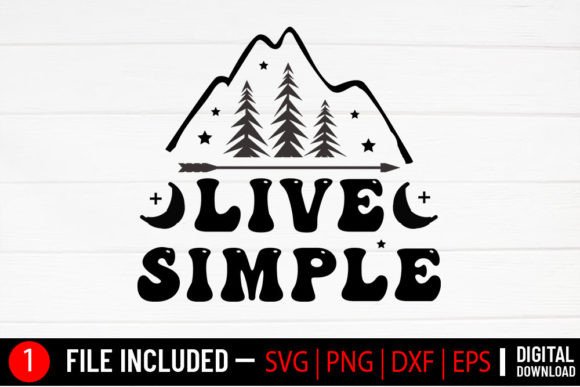
My first impression was one of immediate clarity. The layout speaks directly to the current trend of minimalist cabin life and van culture. It isn't cluttered with unnecessary elements that would cause thread breaks or excessive jump stitches. For an embroidery project, this is crucial. When you are working with a handmade product, especially something meant for daily wear like a tote bag design or a favorite flannel, the durability of the stitch matters just as much as the aesthetic. This file, available in SVG, PNG, EPS, and DXF formats within a standard zip archive, offers the versatility needed for both cutting machines and digitization software, though its primary strength here lies in its potential as a foundation for custom stitching.
Putting the Design to Work: A Real-World Scenario
To truly evaluate this graphic, I envisioned a specific client request: a set of matching sweatshirt embroidery pieces for a family camping trip. The goal was to create something that looked professional but not overly corporate—something that felt like a personalized gift rather than bulk merchandise. The "Live Simple" theme fits this narrative perfectly.
If I were stitching this onto a heavyweight cotton blend sweatshirt, the open nature of the design suggests it would pair beautifully with a fill stitch for the main text and perhaps a satin stitch border if the design elements allow for it during the digitizing phase. Because the source file is a vector-based SVG (along with EPS and DXF), importing it into embroidery software should be straightforward. However, a word of caution: never assume a cut file is ready to stitch without review. You must check the node points and curves. In my experience, this particular design's clean lines minimize the risk of jagged edges, which is a common pitfall when converting digital embroidery file assets into stitch data.
The visual personality of the Live Simple - Camping Svg leans towards rustic charm. It creates a mood of relaxation and disconnect, which is exactly what customers looking for craft business items in the outdoor niche want to convey. Whether applied to a canvas apron for camp cooking or a structured cap, the design maintains its integrity. It doesn't rely on tiny, fragile details that might vanish after three washes. This robustness increases the perceived value of the finished product, fostering greater customer trust in your brand.
Navigating Fabric Textures and Hoop Constraints
While the design is strong, context is everything. Where you place this graphic determines its success. On a smooth, medium-weight twill or cotton, the results will likely be crisp and professional. However, challenges arise when we move to textured fabrics like heavy wool blankets or stretchy performance knits.
If you are planning to use this for baby embroidery on a soft onesie, you must be mindful of stitch density. Even though the design appears simple, if the digitizer fills large areas too densely, it can make the fabric stiff and uncomfortable against sensitive skin. Always test on scrap fabric first. Check how the stabilizer interacts with the material; for stretchy fabrics, a cut-away stabilizer is often non-negotiable to prevent distortion over time.
Another consideration is the hoop size. While the design seems compact enough for smaller hoops, always measure the actual dimensions in your software before committing. If you are aiming for a small shop product line that includes embroidered patches, ensure the details are large enough to be punched out cleanly without losing the essence of the "camping" motif. Curved surfaces, like the front of a baseball cap, also require careful positioning. The text "Live Simple" needs to sit flat; if the arch of the cap distorts the lettering, the message gets lost. In such cases, adjusting the pull compensation in your software is vital.
Commercial Viability and Brand Consistency
For the Etsy seller or the boutique owner, consistency is key to building a recognizable brand. The Live Simple - Camping Svg offers a versatile asset that can anchor a whole collection. Imagine using it across a range of custom apparel: tea towels for the RV kitchen, pillow covers for the patio, and even wooden signs where the SVG is used for vinyl layering alongside embroidered accents. This cross-platform usability maximizes the return on your design investment.
However, before listing these items as commercial embroidery products, you must verify the licensing terms associated with the download. The product description notes the file formats included but does not explicitly detail the commercial license scope. Always confirm whether you are allowed to sell physical finished goods or if there are restrictions on the number of sales. Protecting your craft business means respecting intellectual property rights just as much as protecting your stitch count.
From a marketing perspective, this design excels in printable mockup presentations. Its high-contrast potential makes it pop in digital previews, which can drive buyer engagement on social media and marketplaces. When a customer sees a clear, well-executed design on a dark navy hoodie or a natural linen tote, they immediately understand the lifestyle being sold. It's not just a shirt; it's an invitation to slow down.
Final Verdict for the Practical Maker
In the world of Crafts and Graphics, finding a file that balances aesthetic appeal with technical feasibility is rare. The Live Simple - Camping Svg stands out as a reliable choice for those who understand the nuances of thread and fabric. It avoids the trap of being overly complex, which often leads to production headaches, while still offering enough character to feel unique.
My advice to fellow designers is to treat this file as a solid starting point. Experiment with thread colors that mimic the outdoors—forest greens, slate grays, and warm ochres—to enhance the theme. Test it on both light and dark backgrounds to ensure readability. If you take the time to prep your machine, choose the right stabilizer, and respect the limitations of your fabric, this design can become a staple in your catalog of holiday embroidery gifts or year-round bestsellers. It is a reminder that sometimes, the best designs are the ones that let the craftsmanship speak for itself, allowing the maker and the wearer to truly live simple.