But First Coffee – Retro SVG Review
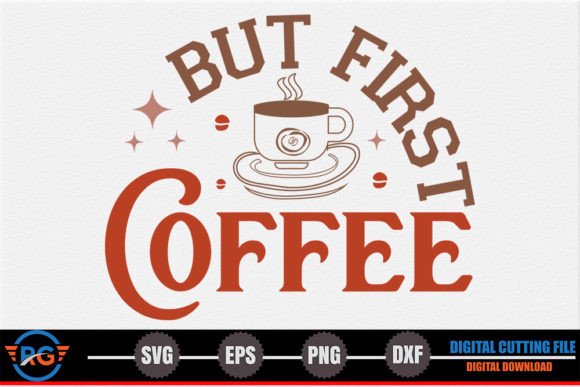
As a designer who spends more time staring at digitized files than I do sleeping, I know the difference between a graphic that looks cute on a screen and one that actually translates well into thread. When I first pulled up the But First Coffee – Retro Coffee SVG, my initial reaction was purely visual. The retro aesthetic is undeniable, tapping into that mid-century modern vibe that has taken over home decor and boutique apparel for the last few years. However, moving from a vector graphic in the Crafts and Graphics category to a tangible machine embroidery design requires a different kind of scrutiny. This isn't just about whether the lines are clean; it's about how those lines behave under the needle.
The Aesthetic Appeal and Design Personality
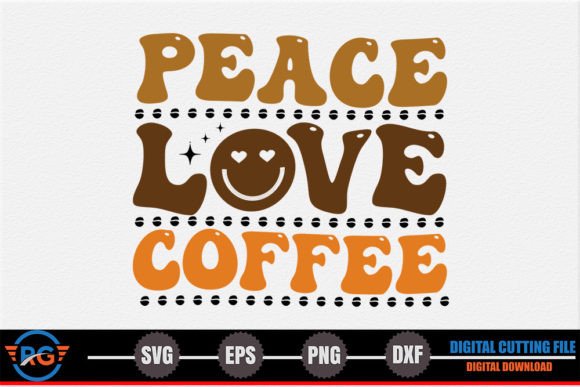
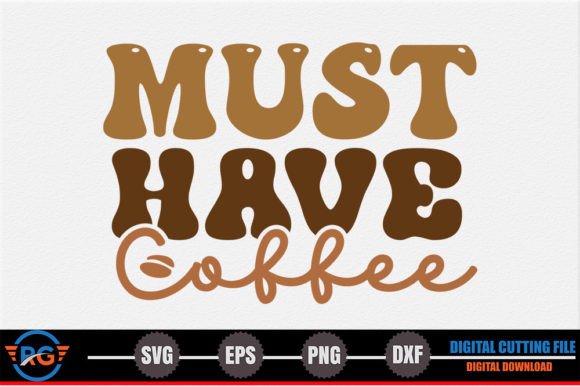
The mood this file creates is warm, inviting, and slightly nostalgic. It feels like something you'd see on a ceramic mug in a sunlit kitchen or stitched onto a canvas tote carried by a freelancer at a local cafe. The shape and layout suggest a balanced composition, which is crucial for embroidery. In my experience, designs with too much negative space or overly intricate, thin details often get lost when scaled down or stitched on textured fabrics. This particular embroidery file seems to strike a good balance, offering enough visual weight to stand out without becoming a dense block of thread that ruins the drape of a garment.
What stands out immediately is the potential for color play. Since the package includes editable files like SVG and EPS, along with DXF and PNG formats, you have total control over the palette. The "100% Color Changeable" claim is a massive plus for custom work. I can easily envision swapping the standard retro oranges and browns for a monochromatic scheme to fit a specific brand identity or changing the background elements to match a client's nursery theme. This flexibility makes it a versatile asset for any craft business looking to offer personalized options.
Real-World Application: The Tote Bag Test
To truly evaluate this design, I imagined a specific real-life scenario: creating a run of custom tote bags for a local coffee shop's grand opening. Tote bags are a staple for Etsy sellers and small shop owners because they are practical and act as walking advertisements. For this project, the But First Coffee – Retro Coffee SVG would be the centerpiece.
If I were stitching this onto a heavy cotton canvas, the retro typography and coffee cup imagery would likely pop beautifully. The key here is the stitch type. If the original graphic is converted into a fill stitch for the cup and a satin stitch for the lettering, the texture contrast would add a premium feel to the finished product. Customers love tactile details; running a hand over raised lettering creates a connection to the handmade product that a printed vinyl decal simply cannot achieve.
Beyond tote bags, this design is ripe for sweatshirt embroidery. Imagine a cozy, oversized crewneck in heather grey with this design centered on the chest. The retro vibe pairs perfectly with current streetwear trends. It could also work wonderfully as an embroidered patch. By digitizing the outline as a border and filling the interior, you could create iron-on or sew-on patches that customers can apply to denim jackets or backpacks later. This extends the life of the design beyond a single application, adding value to your design assets.
Navigating Fabric and Hoop Challenges
While the design is promising, a professional reviewer must also look for potential pitfalls. Where should you use caution? First, consider the hoop size. If the design includes fine details in the steam rising from the cup or small serifs in the "But First Coffee" text, these might struggle on a small 4x4 hoop if the scaling reduces them below the threshold of stitch visibility. Always check the dimensions before committing to a small embroidery project.
Fabric texture is another critical factor. On a smooth quilting cotton or a tight-weave twill, the design will look crisp. However, on a looped terry cloth towel or a fuzzy fleece blanket, those fine lines might get swallowed by the fabric texture. In such cases, I recommend increasing the stitch density slightly or opting for a simpler version of the design if the software allows. Similarly, stretchy fabrics like jersey knits used in baby embroidery require a high-quality stabilizer. Without proper backing, the retro curves could distort after the first wash, making the text look wavy and unprofessional.
Dark fabrics present their own challenge. If you are stitching this onto a navy blue apron or a black cap, you need to ensure your thread colors have enough contrast. A light cream or gold thread would work well, but you must verify that the design doesn't rely on white space to define its shape. If the background of the SVG is transparent, you are safe; if it relies on a light-colored box behind the text, you may need to edit the file to remove that element before digitizing or printing.
Commercial Viability and Brand Trust
For commercial embroidery projects, consistency is king. Using a high-quality source file like this ensures that every item you produce looks identical, building trust with your buyers. Whether you are selling at a craft fair or fulfilling orders for a boutique, the professionalism of your stitching reflects directly on your brand. A clean, well-executed But First Coffee – Retro Coffee SVG application signals attention to detail.
This design also holds significant value for digital product sellers. Even if you aren't stitching it yourself, the included PNG and SVG files are perfect for creating printable mockups. You can show clients exactly how the design will look on a tote bag design template or a holiday embroidery preview before they commit to purchasing. This visual confirmation reduces hesitation and increases conversion rates for small shop products.
Practical Notes for the Studio
Before you start stitching, here are a few non-negotiable steps I take with every new file:
- Test on Scrap: Always run a test stitch-out on the same fabric weight and type you plan to use for the final item. This reveals issues with pull or puckering early.
- Check Contrast: View the design in black and white on your screen. If the elements blend together without color, the stitch definition might be weak.
- Verify Licensing: While the file offers editable features, always confirm the specific license terms regarding commercial use. Can you sell the physical item? Can you resell the digital file? Clarity here protects your craft business.
- Stabilizer Selection: Match your stabilizer to the fabric. Cut-away is best for stretchy garments, while tear-away works for stable wovens like pillow covers or tea towels.
- Inspect Small Details: Zoom in on the vector file. Are there stray nodes or overlapping paths that could confuse your digitizing software? Cleaning up the Graphics file before conversion saves headaches later.
In conclusion, the But First Coffee – Retro Coffee SVG is more than just a cute image; it is a functional tool for creators. Its retro charm fits seamlessly into the current market demand for nostalgic, cozy aesthetics. Whether you are decorating a kitchen towel, personalizing a wedding gift, or stocking your online store with custom apparel, this design offers the versatility and visual appeal needed to create standout items. Just remember that the magic happens not just in the download, but in the thoughtful execution of the stitch. With the right fabric, proper stabilization, and a keen eye for detail, this file can become a bestseller in your portfolio.